
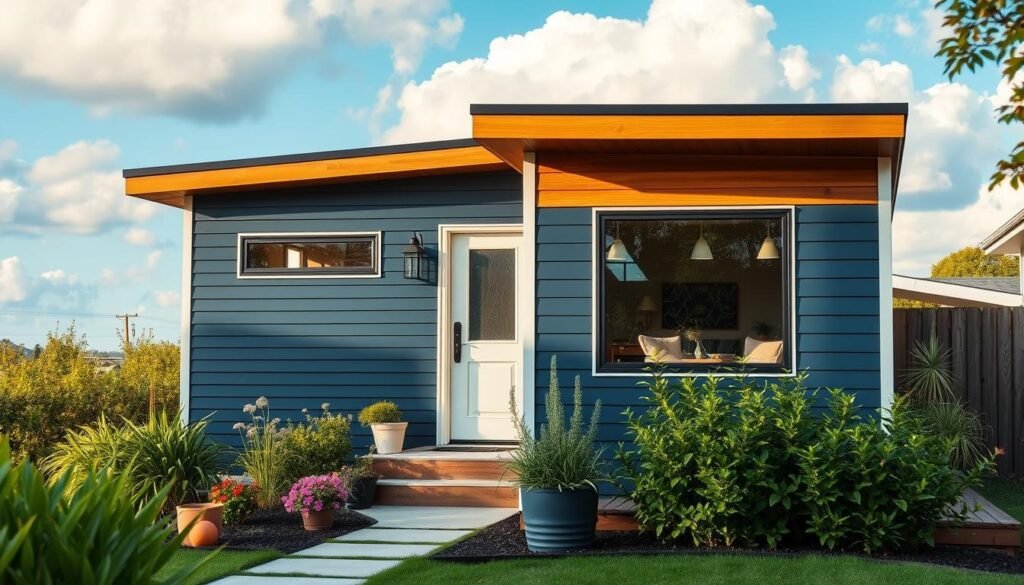
Choosing the right colors and materials for your Accessory Dwelling Unit (ADU) can be tough. But, with the right inspiration, you can make a space that feels welcoming and matches your main home.
In Santa Clarita, santaclaritaadu.org is a great resource for affordable and flexible ADU solutions. They help you pick colors and materials that look good and follow local rules.
There are many materials and colors to pick from. By mixing and matching, you can make a space that’s both unique and useful for you.
Key Takeaways
- Consider local architectural style and regulations when choosing ADU colors and materials.
- Explore different material and color combinations to create a unique ADU.
- Local resources like santaclaritaadu.org can provide affordable and flexible ADU solutions.
- Selecting the right colors and materials can enhance your ADU’s curb appeal.
- Compliance with local standards is crucial when designing your ADU.
Understanding ADUs in Santa Clarita
Creating an ADU in Santa Clarita means knowing the local building styles and rules. The city’s mix of modern and traditional designs is key. It’s important to think about these when planning your ADU.
What Makes Santa Clarita ADUs Unique
Santa Clarita’s ADUs are influenced by local architecture and the climate. The Mediterranean climate here means materials and designs must be chosen carefully.
Local Architectural Influences
The architecture in Santa Clarita blends modern and traditional styles. ADU design materials should match the main house and neighborhood look.
Climate Considerations for Materials
The weather in Santa Clarita requires strong, weather-proof materials for ADUs. Stucco, stone, and metal roofing are good choices because they can handle the local weather.
Local Regulations Affecting Design Choices
Knowing the local rules is key for ADU design. Santa Clarita has specific permit requirements and restrictions that affect ADU building.
Permit Requirements and Restrictions
Homeowners must follow certain rules when building an ADU in Santa Clarita.
| Regulation | Description |
|---|---|
| Height Restrictions | Maximum height limits for ADUs to ensure they do not overshadow neighboring properties. |
| Size Limitations | Specific size constraints to maintain neighborhood character. |
| Setback Requirements | Minimum distances that ADUs must be set back from property lines. |
HOA Considerations
For homes in Homeowners Associations (HOAs), there are extra design rules. It’s crucial to check these to avoid problems.
Planning Your ADU Design Strategy
When planning an ADU, it’s key to create a design strategy that matches your main home. You need to think about the style, colors, and materials of your main house.
Harmonizing with Your Main Residence
To make your ADU look good with your main house, you can either match or contrast them.
Complementary vs. Contrasting Approaches
A complementary approach means your ADU looks like your main house. For example, if your house is modern, your ADU should be too, with similar materials and colors.
A contrasting approach lets you try a different style or colors. But make sure it doesn’t clash with your main house.
Defining Your ADU’s Purpose and Style
The purpose of your ADU affects its design. It should match how you plan to use it, whether for renting or family living.
Rental Unit Considerations
For rental units, choose designs that appeal to many people. Think about a cozy, neutral color scheme.
Family Living Spaces
For family homes, add elements that show your family’s personality. Use bright colors or special architectural features.
Creating a Design Mood Board
A design mood board helps you see your ADU’s design. It can have images, colors, and materials that show your style.
| Design Element | Complementary Approach | Contrasting Approach |
|---|---|---|
| Color Scheme | Matches main residence | Differs from main residence |
| Architectural Style | Mirrors main residence | Contrasts with main residence |
| Materials | Similar to main residence | Different from main residence |
The Psychology of Color in Small Living Spaces
Color psychology is key in designing ADUs. It affects mood and how we see space. The right colors can make a small area feel bigger, welcoming, and cozy.
How Colors Affect Mood and Perception
Colors deeply impact our feelings and how we see things. In ADUs, the color choice greatly influences how we feel and interact with the space.
Warm vs. Cool Color Effects
Warm colors, like oranges and reds, make a space feel cozy and inviting. Cool colors, like blues and greens, can make it calm and serene. Choosing the right color temperature is crucial for setting the desired mood in an ADU.
Space-Enhancing Color Techniques
Certain color techniques can make a small space look bigger. Using lighter colors on walls and ceilings can open up a space. Darker colors can add coziness to specific areas.
Visual Expansion Strategies
To make a small ADU look bigger, use a monochromatic color scheme or colors next to each other on the color wheel. This approach creates a sense of continuity and flow, making the space feel more spacious.
Color Zoning for Multi-Functional Spaces
In ADUs, where spaces have multiple uses, color zoning is a smart strategy. It defines different areas without physical barriers. Using different colors or shades can mark spaces for different activities.
By choosing colors wisely, homeowners can make their ADUs more livable and appealing. They create spaces that are both functional and emotionally satisfying.
ADU Color Palettes & Materials: 2023 Trends
In 2023, ADU design trends focus on minimalism, warmth, and nature. Homeowners want inviting and functional spaces. The right color palette and materials are key.
Contemporary Minimalist Schemes
Minimalist designs are popular in ADU construction. They are simple and functional. These designs have clean lines and focus on space.
Monochromatic and Neutral Palettes
Monochromatic schemes use different shades of one color for calm. Neutral colors like white, gray, and beige are timeless. They work well with many materials and decor.
Warm Traditional Palettes
Warm color palettes offer a cozy, traditional look. They use earthy tones for warmth and comfort.
Earth Tones and Natural Materials
Earth tones like terracotta and sienna add warmth. Wood and stone materials enhance the organic feel.
Nature-Inspired Color Combinations
Nature inspires many color palettes. Soft greens and blues bring serenity and a connection to the outdoors.
Bringing the Outdoors In
Using natural colors and materials creates a seamless indoor-outdoor transition. This enhances the ADU’s look and promotes well-being.
Santa Clarita-Specific Design Trends
Santa Clarita’s climate and landscape shape local design trends. Homeowners choose colors and materials that match their surroundings. They also ensure durability against the elements.
By following these trends, homeowners can create stylish, functional ADUs. These spaces are in harmony with their environment.
Exterior Material and Color Selection
Choosing the right exterior materials and colors is crucial for your ADU’s curb appeal. It also affects its weather resistance. The right choices boost both looks and durability, making maintenance easier.
Weather-Resistant Siding Options
Durability is key when picking siding. You need materials that can handle the weather and still look good.
Fiber Cement vs. Wood vs. Vinyl
Each siding material has its own strengths and weaknesses. Here’s a quick comparison:
| Material | Durability | Maintenance | Cost |
|---|---|---|---|
| Fiber Cement | High | Low | Moderate |
| Wood | Moderate | High | High |
| Vinyl | High | Low | Low |
Fiber cement is a top pick for ADUs. It balances durability and cost well.
Roofing Materials and Colors
The roof is more than just functional; it’s a design statement. Pick materials and colors that fit your ADU’s design.
Asphalt shingles are affordable, while metal roofing is very durable. Opt for earth tones or colors that match your main house for a unified look.
Window and Door Finishes
Windows and doors are both functional and design elements. Choose finishes that are stylish and weather-resistant.
Vinyl-clad wood windows give the look of wood but are more durable. For doors, fiberglass or steel are strong and easy to maintain.
Landscaping Integration Strategies
Integrating your ADU with the landscape is key. Use native plants and design elements that match your ADU’s exterior.
“A well-designed landscape can enhance the curb appeal of your ADU, creating a seamless transition between the built environment and nature.”
By carefully choosing exterior materials and colors, and blending your ADU with the landscape, you can create a beautiful and lasting addition to your property.
Interior Material Selection Guide
Choosing the right materials for your ADU’s interior is key. It affects both how long it lasts and how it looks. The materials you pick can change the whole feel and use of the space.
Flooring Options for Durability and Style
Flooring needs to be both durable and stylish. Hardwood is popular for its classic look and lasting quality. But, it might need more care than other options.
Small-Space Flooring Strategies
In small ADUs, picking flooring that makes the space feel bigger is important. Light-colored laminate or luxury vinyl tile (LVT) can help. Also, using the same flooring everywhere can make the space feel more connected.
| Flooring Type | Durability | Maintenance | Cost |
|---|---|---|---|
| Hardwood | High | Medium | High |
| Laminate | Medium | Low | Medium |
| LVT | High | Low | Medium |
Wall Treatments and Textures
Walls in your ADU can be treated in many ways to improve looks. Paint is easy on the wallet and versatile. Wallpaper can add a special touch.
Paint vs. Wallpaper vs. Paneling
Choosing between paint, wallpaper, and paneling depends on your style. Paint gives a clean look. Wallpaper adds pattern and texture. Paneling brings warmth.
“The right wall treatment can completely transform the feel of a room.”
Ceiling Materials and Techniques
The ceiling is often ignored but it’s very important. Using wood or exposed beams can add charm.
Kitchen and Bathroom Finish Considerations
In kitchens and bathrooms, durability and resistance to moisture are key. Quartz countertops and porcelain tiles are great because they last long and are easy to clean.
By picking the right materials and finishes, you can make a beautiful, useful, and lasting ADU. It will meet your needs and improve your life.
Sustainable and Eco-Friendly Material Choices
The trend towards eco-friendly living is changing ADU design. Homeowners in Santa Clarita and beyond are choosing sustainable materials. These choices reduce environmental impact and add value to their properties.
Choosing the right materials is key to a sustainable ADU. Eco-friendly materials cut down on environmental impact and living costs. Let’s look at some options.
Recycled and Reclaimed Materials
Recycled and reclaimed materials are great for reducing waste. They add character to your ADU. Options include reclaimed wood, recycled glass countertops, and repurposed metal roofing.
Low-VOC Paints and Finishes
Low-VOC paints and finishes are important for clean air inside. They help create a healthier living space. You can find them in many colors and finishes, making it easy to design without harming the environment.
Energy-Efficient Material Considerations
Energy efficiency is vital in sustainable ADU design. It involves the materials used and their energy performance.
Insulation and Thermal Performance
Good insulation keeps your ADU comfortable and saves on energy costs. Use materials like fiberglass, cellulose, and spray foam. Also, choose windows with low-E coatings to control temperature.
Water-Conserving Design Elements
Water conservation is crucial in sustainable design. Low-flow faucets, toilets, and showerheads save water. Rainwater harvesting systems also help with irrigation and other uses.
Using sustainable materials in your ADU design benefits the environment and your wallet. It also increases your property’s value. As sustainability grows, making eco-friendly choices is a smart move.
Budget-Friendly Design Solutions
Creating an ADU on a budget doesn’t mean you have to give up style or function. With smart planning and material choices, you can make a beautiful and useful space. It will also match your main home.
Cost-Effective Materials That Don’t Sacrifice Style
Choosing the right materials is key to staying within budget. Think about using reclaimed wood for accents or flooring. It adds character without the high cost. For the outside, fiber-cement siding is a good choice. It’s durable and looks like wood but costs less.
For ADU color schemes, pick colors that match your main home. Neutral tones like beige, gray, or taupe are timeless and affordable. They also hide dirt and weather well.
DIY-Friendly Finish Options
To save on labor, try DIY-friendly finishes. Painting is a simple way to add your personal touch. Use low-VOC paints for good indoor air quality.
Where to Splurge vs. Where to Save
Decide where to spend more and where to save. Spend on durable, low-maintenance materials for busy areas. Save on decorative items that can be easily changed.
Santa Clarita Suppliers and Resources
Finding the right suppliers in Santa Clarita can help a lot. Here are some local resources:
Local Material Sources
- ABC Supply Co. – Offers a wide range of building materials
- Santa Clarita Builders Exchange – A hub for local contractors and suppliers
Discount and Salvage Options
- Habitat for Humanity ReStore – Sells donated building materials at discounted prices
- Local salvage yards – Great for finding unique, second-hand materials
By using these resources and making smart design choices, you can create a stunning ADU that fits your budget.
Conclusion: Creating Your Perfect ADU Space
Designing an Accessory Dwelling Unit (ADU) is an exciting project. It requires careful thought about color palettes and materials. By making thoughtful design choices, you can create a living space that is both harmonious and functional.
When looking at Accessory Dwelling Unit color ideas, think about the style and purpose of your ADU. Whether you want a modern minimalist look or a warm traditional feel, the right colors can make a big difference. The colors and materials you choose will define the character of your unit.
By using the insights from this article, you can make a beautiful and functional ADU. Remember to think about sustainability, durability, and budget when deciding on your design. With careful planning and attention to detail, you can create your perfect ADU space.